"When I pulled into the driveway and got out of the truck, two grouse flushed from the bushes where they had spent the night sheltered from the snowfall. Regardless, I felt strangely alone in a place where I had lived for so many years. In my mind I expected to see the kids and dogs playing in the fresh snow and smoke rising from the chimney. But there were neither kids nor dogs in the yard and the chimney cap was cold and snow covered. At that moment I realized that this was no longer my home. I don’t know how long I stood there in the silence of the snow covered landscape but it was long enough recall almost every day of the past 22 years that we lived there and raised our two kids."
Admittedly, I kind of got a little weepy at this point of the story - both my parents and I are very happy with our new homes and of course, there was a lot to dislike about the old home, but the nostalgia of losing a place that has been a part of your life for over 20 years is a bit overwhelming at times.
Perhaps it was with this in mind, that I was a bit overwhelmed when I visited the District Six Museum today in Cape Town. District Six was a section of the city that was inhabited by many different people of all backgrounds into the 1960s in Cape Town.

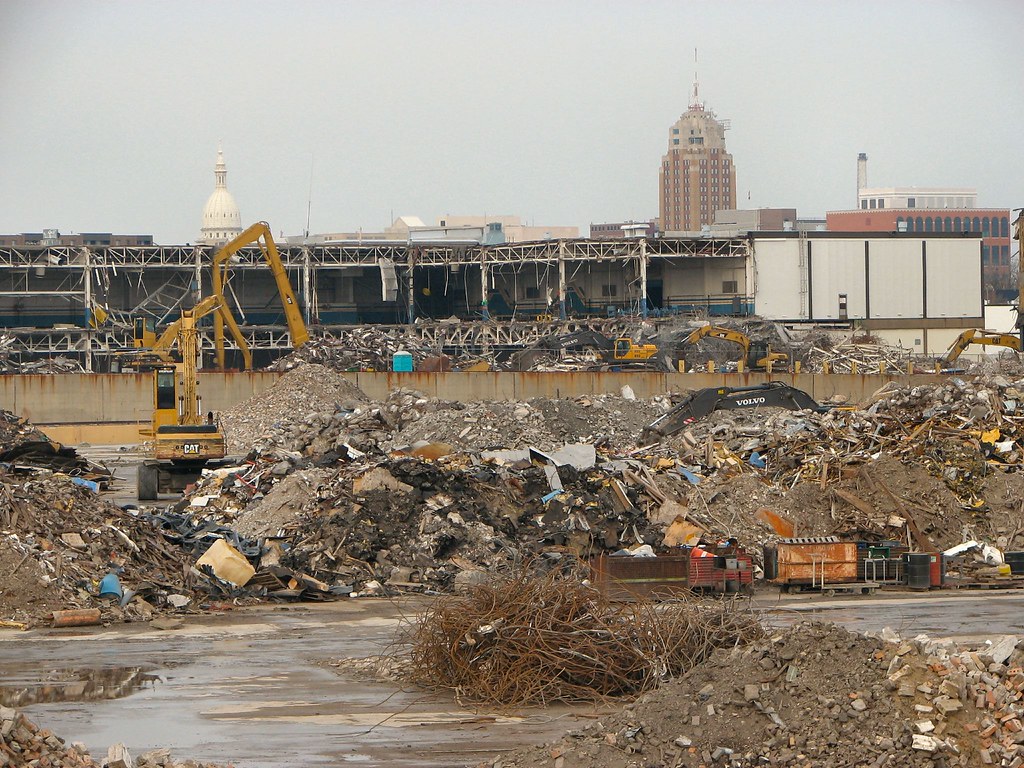
Increased racial oppression within the country eventually led to the Government's re-zoning of District Six into a "Whites Only" area in 1966. Thousands were forced out of their homes and the destruction of their communities began under the sanitized objective of "Urban Renewal".


At home, as my parents continued the process of moving out, my mom was carefully selecting which objects to bring to the new house. It was smaller, and many things had to be left behind, yet she carefully selected some of my old dolls and cleaned them up and packed them away for me. Objects like these don't hold a monetary value - their value is more in their nostalgia - they become small objects of memory from your past.
At the District Six museum, it was clear that forcible removal had occurred swiftly and families were not left with much time or opportunity to carefully pack away these small objects of memory. Instead, after destruction, many people went back to their former communities and gathered the small remainders of their life in District Six.

It seems silly that someone would think to rescue a piece of a toilet bowl from the debris, but it also suggests the level of decimation of this community - there was no opportunity for a careful selection of objects, and more than likely this was one of the few surviving reminders of the former community.
People describe the District Six Museum as a "living museum" - it was constructed and designed with the help of former residents of District Six. While it's also very informative, it's the memories and remaining possessions of these residents that fill the rooms of the museum. Throughout are candid shots of residents - reminders that at one time "District Six" wasn't a name symbolic of the atrocities of the Apartheid era, but just a normal place filled with average people.


Beyond the small scraps that remained of the area, the museum was filled with memories that residents had shared. Some of these were embroidered onto a cloth that hung in the museum - many people echoed the idea that these types of reminders were not so easily destroyed with a bulldozer.